Short answer
For a garage or basement with a barbell: 3/4 inch rubber stall mats, 4 x 6 feet each. Greatmats lists them at about 100 pounds per mat, so they stay put without glue. Interlocking rubber tiles are easier to carry and fit odd rooms. Foam tiles suit bodyweight and light dumbbell work only, not dropped weights.
Your options
Flooring compared (stall mat figures from Greatmats)
| Stall mats | Rubber tiles | Foam tiles | |
|---|---|---|---|
| Thickness | 3/4 in typical | Often 3/8 to 3/4 in | About 1/2 in |
| Barbell drops | Yes, with bumpers | Yes at 3/4 in | No |
| Weight to carry | About 100 lb per mat | Lighter pieces | Very light |
| Fit odd rooms | Cut to fit | Easy | Easy |
| Smell | Strong at first | Varies | Mild |
Stall mats are the standard because they are dense, cheap per square foot, and heavy enough that they do not slide (Greatmats). Farm and ranch stores stock them; Garage Gym Reviews covers the Tractor Supply mat.
Flooring to compare
-
01Stall mat
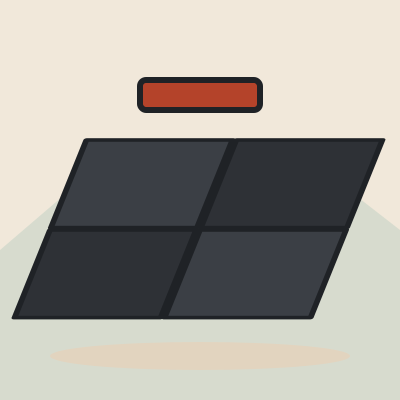
Interlocking rubber mat, 4 x 6 ft, 3/4 in
Best for: Under a rack and lifting area
- Size
- 4 x 6 ft (listing)
- Thickness
- 3/4 in (listing)
- Made from recycled tire rubber, per the listing.
-
02Tiles
Warrior 3/4 in rubber floor tiles
Best for: Rooms you add to over time
- Thickness
- 3/4 in (listing)
- Type
- Interlocking (listing)
-
03Light use
How to lay stall mats
Sweep and dry the floor
Clear grit that would grind under the mats. In a garage, make sure the slab is dry.
Air the mats out
Leave them in the open for a few days if the smell bothers you.
Start in a corner
Lay full mats from the most visible corner out, smooth side up if your mats have one, edges butted tight.
Trim the last row
Mark with a straightedge and score with a sharp utility knife in several passes, bending the mat to open the cut.
Keep the lifting area flat
Put seams outside the spot where you deadlift if you can.
Garage specifics, including cold slabs and moisture, are in the garage gym setup guide. The builder counts mats for your space.
Questions people ask
How many stall mats do I need?
Divide the floor area in square feet by 24 (one 4 x 6 ft mat). A 10 x 12 ft lifting area is 120 sq ft, or five mats. Lay them tight and trim the last row with a sharp utility knife and a straightedge.
Do horse stall mats smell?
Yes, at first. Greatmats notes a very strong rubber smell when they are first installed, so air them out, ideally outside or with the garage door open, before closing up a room.
Is 3/4 inch rubber thick enough for deadlifts?
For most home lifting with bumper plates, 3/4 inch is the common choice. For heavy deadlifts over a wood subfloor or with iron plates, a lifting platform with an extra layer spreads the load further.
Can I put stall mats on a carpeted floor?
It is better to lift the carpet in the lifting area or lay a plywood base, so the mats sit on something firm and do not shift.
Sources
Last reviewed October 29, 2026. Store hours, listings and models change; call a store before you drive and follow the maker’s instructions for setup and weight limits.